


As the plant-based protein market matures, the conversation is shifting from simply offering an alternative to proving real-world performance. Taste, formulation compatibility, and clean-label credentials are now the key battlegrounds – and rice protein is emerging as a serious contender.
Market Momentum Backed by Data
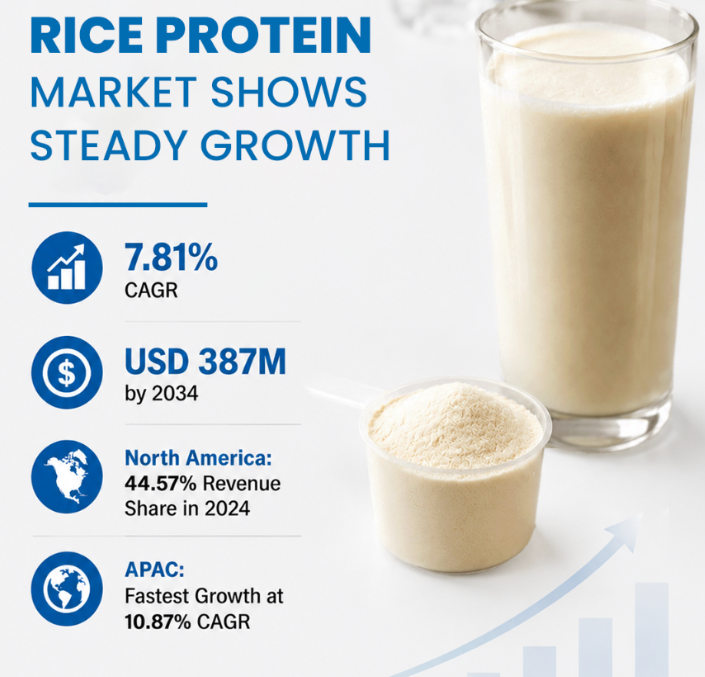
According to Fortune Business Insights, the global rice protein market is projected to grow from USD 197 million in 2025 to USD 387 million by 2034, at a CAGR of 7.81%. Organic rice protein is expected to accelerate even faster, with a projected CAGR of 14.1% by 2035.
Behind this growth are clear consumer shifts: stronger demand for plant-based protein, clean-label formulations, and allergen-friendly alternatives.
Beyond “Plant-Based”: Performance and Compatibility
The industry continues to navigate the core challenges of taste, cost, and trust. With a mild, neutral taste and strong compatibility, rice protein works as a balanced base within protein blends, helping improve overall formulation performance and product experience.
Where Taste Makes or Breaks Snacking
As protein moves into everyday snacking – ice cream, baked goods, extruded snacks – taste becomes the real barrier. Pea protein can bring grassy notes, while soy often leaves a beany aftertaste.
Neofoods rice protein offers a cleaner, milder profile, helping brands create high-protein products that consumers genuinely enjoy, not just tolerate.
Clean, Simple, and Consumer-Ready
Neofoods rice protein is:
•Naturally hypoallergenic (typically no allergen testing required)
•Non-GMO, lactose-free, and solvent residue-free
•Antibiotic-free and low purine
These attributes make it a straightforward fit for clean-label, vegetarian, and sensitive diets.
From Market Data to Formulation Reality
For food brands and formulators, rice protein offers more than market potential. It creates room to build better, more differentiated products for the next stage of protein innovation. Backed by formulation expertise and technical support, Neofoods helps partners translate evolving protein demands into scalable, market-ready solutions.
Contact us