


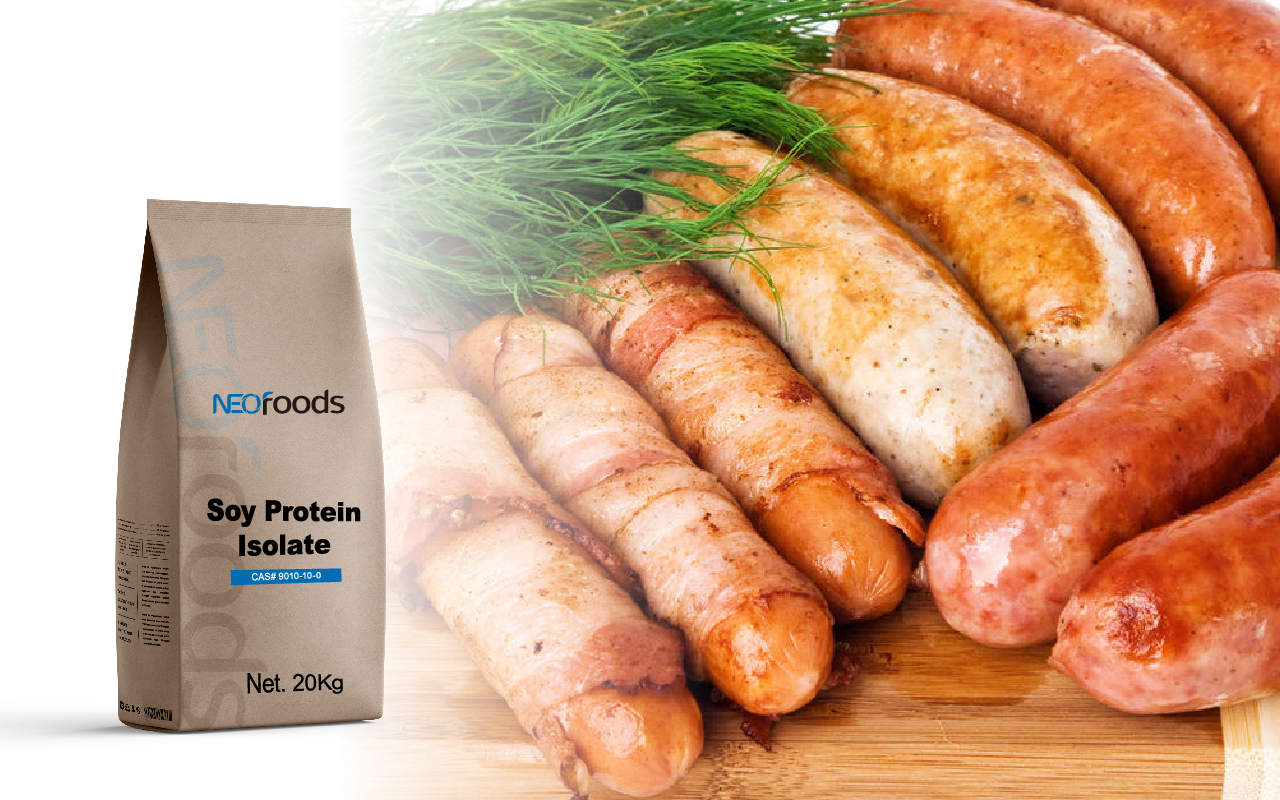
Modern food formulation depends significantly on protein ingredients. Soy protein isolate vs whey is one of the most common comparisons that manufacturers make in order to get nutritional value, functionality, and cost-effectiveness. All protein sources have their own benefits based on the product type, consumers' target, and processing needs.
Neofoods is a supplier of quality protein ingredients to food manufacturers in the international markets. The company serves many applications in the food industry and offers solutions to particular formulation needs.
Choosing between these proteins is rarely a simple decision. Texture, taste, and processing behavior must be evaluated early. Cost stability also matters. Regulatory limits and labeling rules can influence selection. A clear understanding of end use helps reduce reformulation risks and improve product consistency.
What Is Soy Protein Isolate?
Soy protein isolate is a plant protein derived from defatted soybeans that is purified. The processing eliminates the majority of fats and carbohydrates, with about 90 per cent protein remaining. It is neutral flavor profile, possesses a good emulsifying capacity as well as a good water-binding capacity.
Due to these characteristics, it is common to find soy protein isolate used in meat substitutes, nutritional foods, bakery, and snacks. It is available with a vegetarian and vegan formula and is appropriate to satisfy the increasing popularity of sustainable protein sources.
What Is Whey Protein?
The Whey protein is of milk origin and is extracted when making cheese. It is cherished as it is easy to digest and readily absorbed. Because it dissolves easily and blends well with other ingredients, it is often used in powdered nutrition products.
The solubility and rapid digestion of whey protein are high. This makes it unsuitable for strictly plant-based product lines, and its lactose content may limit use in formulations targeting consumers with severe lactose intolerance, unless a high-purity isolate (WPI) is used.This has restricted its usage in some markets.
Soy Protein Isolate vs Whey: A Practical Comparison
The choice between soy protein isolate vs whey depends on nutritional goals, dietary preferences, and processing needs.
| Feature | Soy Protein Isolate | Whey Protein |
| Protein Source | Plant-based (soybeans) | Animal-based (milk) |
| Protein Content | ~90% | 70–80% (typical) |
| Dietary Suitability | Vegan, vegetarian | Not suitable for vegans |
| Allergen Considerations | Soy allergen | Milk/lactose allergen |
| Functional Properties | Emulsifying, water-binding, heat-stable, texture enhancement | High solubility, fast absorption, gelation, emulsification |
| Sustainability | Lower environmental impact | Higher environmental footprint |
Application Differences in Food Manufacturing
When it comes to formulation, soy protein isolate is often the preferred choice because of the need to achieve improved texture, moisture retention, and cost control. It is effective in plant-based meat and bakery fillings, protein bars, and fortified snacks. The applications have the advantage of their capacity to hold water and retain form during processing and storage.
Whey protein is commonly found in dairy drinks, infant formulas, and sports supplements where rapid digestion is prioritized. Soy protein isolate, however, is also widely used in plant-based protein powders, meal replacements, and functional beverages, offering a dairy-free alternative with comparable protein density. Quick digestion and faster delivery of amino acids are critical in these products. Whey addresses these needs and melts readily into systems with milk.
In addition to formulation, there is market positioning. Soy protein isolate is preferred by brands that sell to plant-based consumers or flexitarians. The issue of sustainability and changing diets still influences the development of products. When manufacturers see soy protein isolate vs whey, they also consider the shelf stability, consistency of supply, and long-term pricing. These have an effect on scalability and profit margins. The protein selected should be in line with the market trend as well as technical requirements.
How to Make Choices Based on Product Needs?
Selecting the right protein source starts with clarity. Manufacturers must understand formulation needs, label direction, and buyer expectations before making a choice.
Product Goals
Every product begins with a purpose. Some focus on higher protein levels. Others prioritize texture, stability, or shelf life. This is where the comparison of soy protein isolate vs whey usually begins.
Soy protein isolate performs well in plant-based foods. It increases protein while helping products hold their shape. It is widely used in meat alternatives, bakery products, and dry nutrition blends. Whey protein serves a different role. It is commonly chosen for dairy drinks and sports formulas where fast digestion is important.
Processing conditions also influence outcomes. Heat exposure, moisture control, and mixing behavior matter. Soy protein isolate offers good heat stability and water retention. Whey reacts differently during heating and storage. When assessing soy protein isolate vs whey, manufacturers must test how each protein performs under real production conditions.
Label Needs
Label strategy often drives ingredient decisions. Many brands aim for plant-based or dairy-free claims. In such cases, soy protein isolate is the practical option.
Whey protein comes from milk. This limits its use in products meant for vegan or lactose-sensitive consumers. When comparing soy protein isolate vs whey, labeling flexibility becomes a key factor.
Ingredient transparency is another concern. Buyers prefer clear and simple labels. Choosing a protein with known sourcing and consistent quality helps brands meet both regulatory rules and consumer trust.
Consumer Expectations and Market Demand
Consumers now shape product direction more than ever. Taste and texture remain critical. Nutrition and ingredient origin also influence buying decisions.
Some consumers prefer plant proteins for environmental or ethical reasons. Others focus on performance nutrition and rapid absorption. These differences keep the discussion around soy protein isolate vs whey active across food categories.
Cost also affects purchasing behavior. Manufacturers must consider raw material stability and long-term pricing. A reliable protein source supports consistent production and market growth.
Choosing between soy protein isolate vs whey is not a single-step decision. It requires balancing function, labeling, and consumer demand. The right choice supports both product quality and business goals.
Conclusion
So on comparison of soy protein isolate vs whey brings out the two different protein solutions, which have varying strengths. Soy protein isolate contains better nutritional value than plant-based foods, good functionality and sustainability, whereas whey protein is rich in amino acids and can be rapidly digested. The knowledge of these differences enables manufacturers to make sound decisions and produce products that are in line with the prevailing market needs.
Contact us